


Engine Compartment Overview
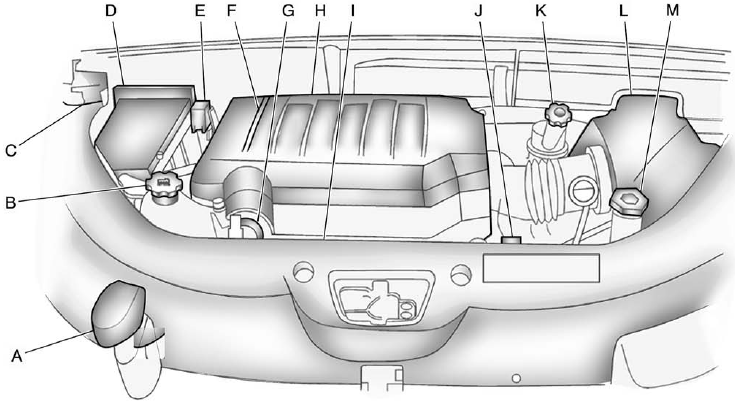
A. Radiator Pressure Cap. See Cooling System on page 10‑14.
B. Engine Coolant Recovery Cap. See Cooling System on page 10‑14.
C. Remote Negative (−) Terminal. See Jump Starting on page 10‑78.
D. Engine Compartment Fuse Block on page 10‑31.
E. Remote Positive (+) Terminal. See Jump Starting on page 10‑78.
F. Power Steering Reservoir and Cap (under engine cover). See Power Steering
Fluid on page 10‑21.
G. Engine Oil Fill Cap. See “When to Add Engine Oil” under Engine Oil on page
10‑8.
H. Engine Cover on page 10‑8.
I. Engine Oil Dipstick (out of view). See “Checking Engine Oil” under Engine Oil
on page 10‑8.
J. Automatic Transmission Fluid Dipstick. See “Checking the Fluid Level” under
Automatic Transmission Fluid on page 10‑12.
K. Brake Master Cylinder Reservoir. See “Brake Fluid” under Brakes on page
10‑22.
L. Engine Air Cleaner/Filter on page 10‑12.
M. Windshield Washer Fluid Reservoir. See “Adding Washer Fluid” under Washer
Fluid on page 10‑22.
See also:
Head-Up Display (HUD)
WARNING
If the HUD image is too bright or too high in your field of view, it may take you more time to see things you need to see when it is dark outside. Be sure to keep the HUD image dim and placed ...
When to Check Power Steering Fluid
It is not necessary to regularly check power steering fluid unless there is a leak suspected in the system or an unusual noise is heard. A fluid loss in this system could indicate a problem. Have the ...
XM™ Satellite Radio Service
XM Satellite Radio Service gives digital radio reception from coast to coast in the 48 contiguous United States, and in Canada. Just as with FM, tall buildings or hills can interfere with satellite ra ...